Greenland
Natural Wonders · Greenland · Europe
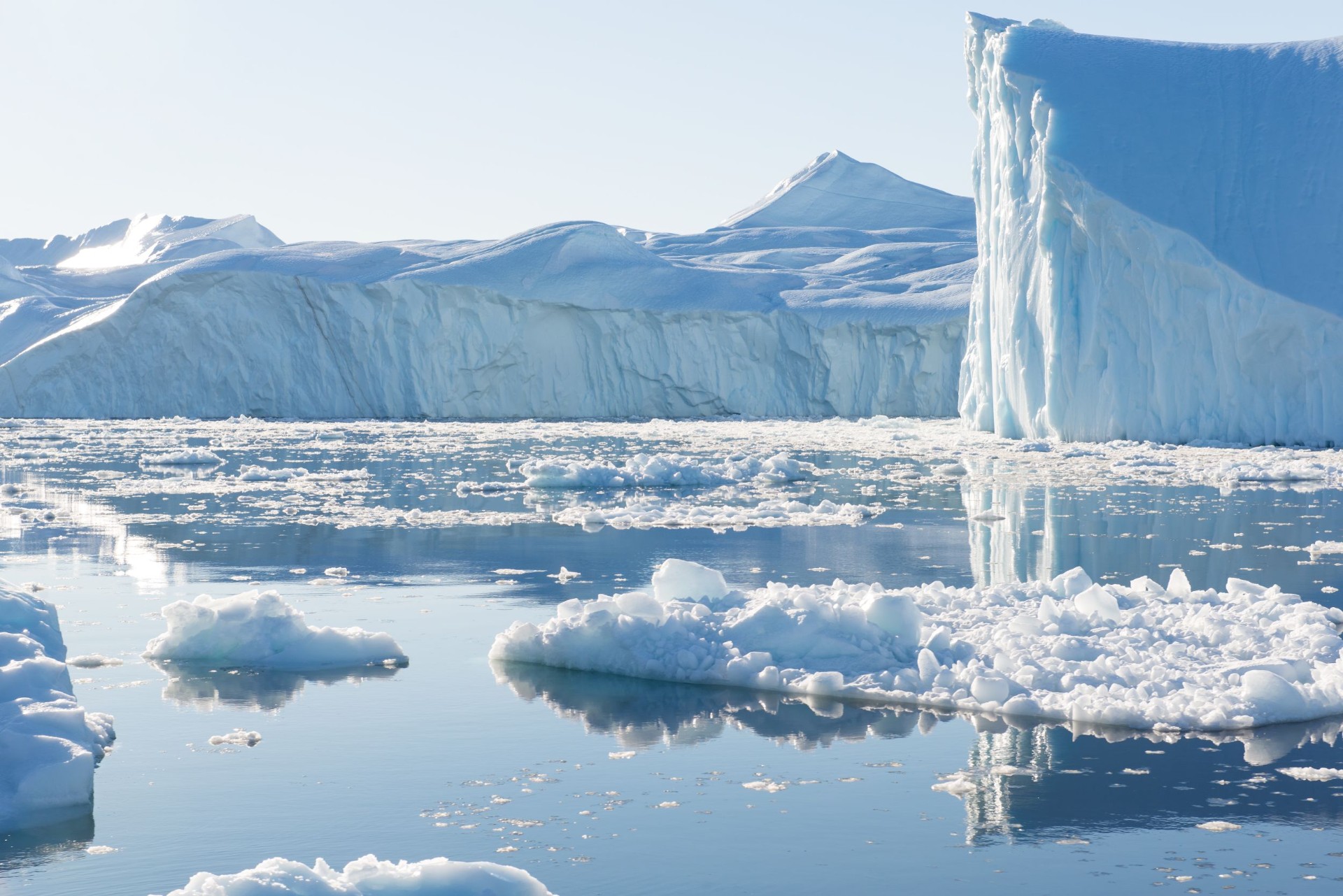
Greenland is one of the 100 world miracles — a natural wonders highlight in Greenland, Europe. Below: what makes it special, what to expect on site and everything you need to plan a visit.
About Greenland
Greenland is a place of superlatives that defy easy comprehension. The **world's largest island — 2.16 million square kilometres, roughly three times the size of Texas** — it is nonetheless home to fewer than **57,000 people**, almost all living in small coastal settlements continuously inhabited for **at least 4,500 years**. Approximately **80% of its surface is covered by the Greenland Ice Sheet**, the second-largest body of ice in the world after Antarctica, containing **roughly 7% of the planet's total fresh water**. If it melted entirely, **global sea levels would rise by approximately seven metres**. The ice sheet is also a scientific archive of unparalleled depth. **Ice cores drilled from its interior contain bubbles of ancient atmosphere trapped over hundreds of thousands of years** — a record of Earth's climate reaching further back than any other source. Meanwhile, at the island's margins, glaciers are retreating at rates unprecedented in the historical record. The **Ilulissat Icefjord — a UNESCO World Heritage Site — produces some of the largest icebergs in the Northern Hemisphere**; watching them calve from the Sermeq Kujalleq glacier is one of the most humbling natural spectacles on Earth. Greenland is accessible by air from Copenhagen, Reykjavik, and a handful of other cities to **Nuuk, Ilulissat, and Kangerlussuaq**. The **Northern Lights are visible September to March**; dog-sledding from February to April; **midnight sun and iceberg viewing May to August**. Ilulissat is the main tourist hub and best base for icefjord excursions. **Small-ship cruises** offer one of the most rewarding ways to experience the coastline.
Highlights
- ✦ World's largest island (2.16 million km²)
- ✦ 80% covered by an ice sheet up to 3 km thick
- ✦ Home to unique Arctic wildlife and the Northern Lights
Practical info
Frequently asked questions
How do you get to Greenland from Europe?
Flying is the only option — there are no ferries or land routes. The main gateways are Copenhagen, with direct flights to Nuuk (about 4 hours) since the new international airport opened in 2024, and Reykjavik, which has seasonal flights to several Greenlandic towns, often shorter and cheaper for reaching East Greenland.
What is the best time of year to visit Greenland?
Summer, from June to August, offers the midnight sun, hiking access and iceberg-watching with milder temperatures around 5-15°C. Late winter (February-April) is best for dog sledding, snowmobiling and Northern Lights, though daylight hours are short and some flights are less frequent.
Do you need a visa to visit Greenland?
Greenland is a self-governing territory of Denmark but outside the Schengen area, so entry rules differ slightly from mainland Denmark. Most EU, UK, US, Canadian and Australian passport holders can enter visa-free for tourism, but it's worth checking current rules before booking, since they can change.
How expensive is a trip to Greenland?
It's genuinely one of the pricier destinations in the world — flights alone often run several hundred pounds/euros each way, and accommodation, food and tours are costly due to everything being shipped or flown in. Budgeting several thousand euros for a week-long trip, even a modest one, is realistic.
Can you travel between towns in Greenland by road?
No — there is almost no road network connecting Greenlandic towns, since they're separated by fjords, mountains and ice. Getting around means internal flights, helicopters, or boats in summer, and dog sleds or snowmobiles over frozen routes in winter, which is part of what makes travel there both memorable and logistically demanding.
Explore more
Join the community
Track your visits to Greenland and other world miracles, rate your experience, and share photos with fellow travelers.
Start your journey